
A gravel driveway uses a compacted load-bearing base topped with a controlled layer of angular decorative stone. It can complement rural, period and modern homes, but the stone depth, edging and foundation must be designed to keep the surface stable.
Gravel
A gravel driveway uses a compacted load-bearing base topped with a controlled layer of angular decorative stone. It can complement rural, period and modern homes, but the stone depth, edging and foundation must be designed to keep the surface stable.
- Traditional appearance with many stone colours and sizes
- Surface water can pass through the loose aggregate
- Strong edging and a compacted base are essential
- Gravel grids can improve stability and accessibility
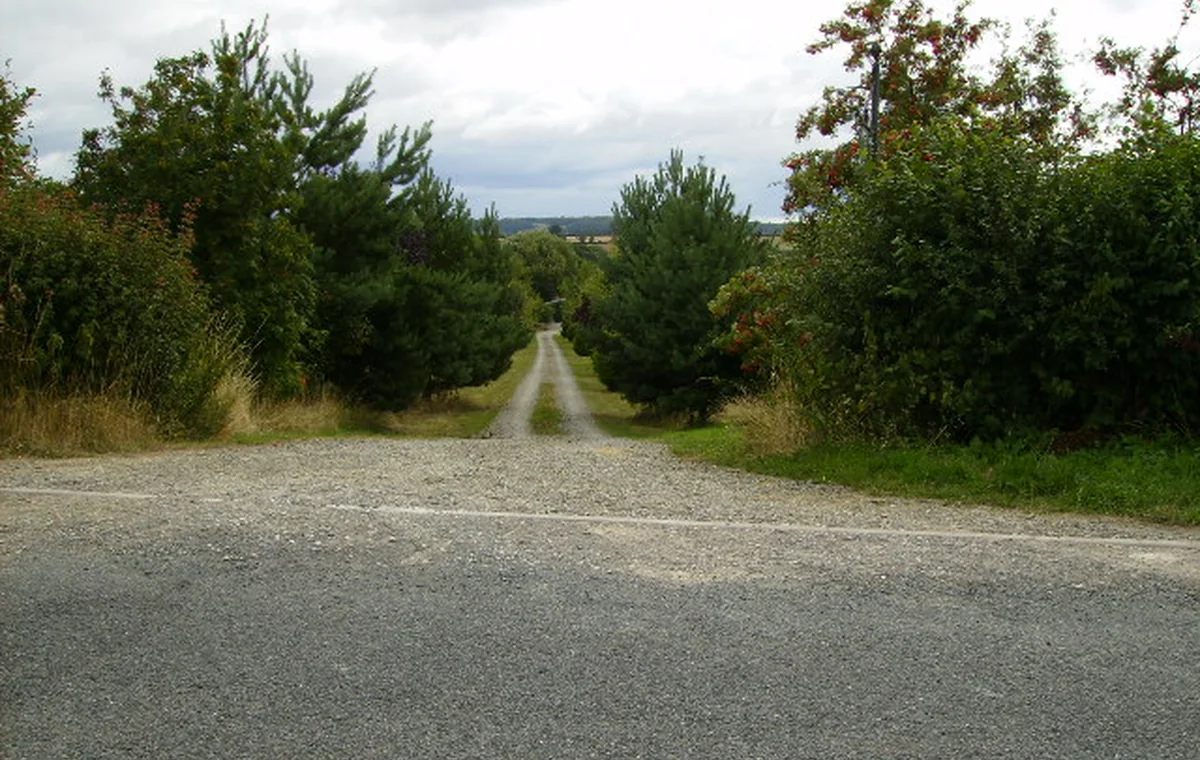
What a gravel driveway is
The decorative gravel is the wearing layer, not the structural foundation. Vehicle loads are carried by the compacted sub-base beneath, while the top stone provides appearance, drainage and a replaceable surface.
Angular aggregate is generally preferred because the pieces interlock better than rounded pea gravel. Stone size, colour and local availability affect both the appearance and delivered cost.
Where it works well
Gravel suits long entrances, rural properties, period homes and larger areas where a softer landscaped appearance is wanted. It can be shaped around planting and is straightforward to top up or alter later.
It may be less suitable where loose stone could migrate onto a busy pavement, where wheelchair access is a priority or where steep gradients make movement difficult. Stabilisation grids can improve performance in some of these situations.
What affects the price
Excavation, sub-base quantity, stone type, haulage distance, membranes, grids, drainage and edging all contribute to the total. Decorative gravel itself may be inexpensive, but a properly prepared vehicle base still requires machinery, aggregate and compaction.
Large rural sites can incur significant haulage and disposal costs. Premium stone, granite chippings and resin-coated aggregates may cost more than locally available limestone or gravel.
Sub-base and membrane
The formation should be assessed and unsuitable material removed. A compacted granular sub-base is then installed to provide strength and distribute vehicle loads.
A suitable separator membrane can reduce mixing between the ground and aggregate layers, but it is not a substitute for excavation or compaction. Weed-control claims should be realistic because windblown seeds can still germinate in debris on the surface.
Stone depth and selection
Too much loose stone makes steering difficult and encourages rutting, while too little exposes the base. The installer should specify a suitable angular aggregate, finished depth and stone size for vehicle use.
Very small stone can move and compact, while oversized stone may be uncomfortable to walk on. Ask to see the actual product because catalogue photographs rarely show the full colour variation.
Grids, edging and entrances
Cellular gravel grids hold aggregate in place and can improve wheelchair, pushchair and bicycle movement when the full construction is suitable. They also help reduce rutting in turning and parking areas.
Robust edging prevents stone spreading into lawns, drains and the highway. The entrance may need a paved apron or recessed grid to contain gravel near the pavement.
Drainage and gradients
Loose gravel allows water through, but the whole construction and underlying ground determine whether the driveway drains effectively. Compacted clay or an impermeable base can still create standing water.
On sloping sites, water flow and stone migration require careful design. Channels, cross-falls and grid systems may be necessary to stop washout during heavy rain.
Maintenance and ongoing cost
Expect periodic raking, leaf removal, weed control and topping up. Turning wheels can move the stone, and traffic lanes may become visible over time.
The surface is easy to refresh, but regular maintenance should be included in the ownership decision. A well-designed gravel driveway normally needs less remedial work than one installed with weak edges or excessive loose depth.
Questions for the quotation
- Which stone type, size, colour and finished depth are included?
- What sub-base construction and compaction are specified?
- Is a separator membrane or stabilisation grid included?
- How will gravel be retained at the pavement, gates and drainage points?
- How will slopes and surface water be handled?
- How much maintenance and future topping up should be expected?
Estimate a gravel driveway
Enter the property, approximate area, existing surface and access details to receive an indicative price range.